Company Profile


As a ceramic and carbon company, we have excellent quality control and products covering various applications such as semi-conductor,high-temperature furnaces, non-ferrous,pigment,magnetic powder, rubber,break pads and more. We have a dedicated research and development team committed to technological innovation and developing new products to meet customer demands. We have flexible production capabilities to provide customized refractory material solutions according to customer needs. With these competitive advantages, we strive to become your trusted and reliable supplier of refractory materials.


Why Choose Us

Factory

The founder,Mr Tang,open the first factory in Zibo and produce graphite molds and synthetic graphite powder. For Mr tang once worked for a state-owned graphite company, he has much experience in graphite application. Gotrays grow quickly in business.

Quality Control

Our team is experienced bringing wide knowledge to every order we received. We train our employee to ensure they posses the skills and qualifications to deliver outstanding results.


High Quality

We are committed to producing and providing high-quality product. We take advanced production techniques and strict quality control measures to ensure our products have excellent performance, stable chemical composition, and reliable service life.


Professional Team

We value environmental protection and sustainable development, focusing on developing and producing eco-friendly materials. We actively adopt energy-saving and emission-reducing production processes, promote recycling and resource utilization to minimize our impact on the environment.


First 12 Last
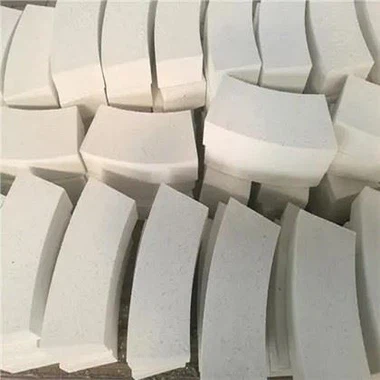
Fused Quartz Products


What is Kiln Shelf?

When starting the process of designing a kiln, one should consider the kiln shelves an important factor that may influence the shape and size of the structure. Several factors will have a role in shelf selection.
Kiln shelf size will play a major role in the design of the kiln. There are several standard sizes of square and rectangular shaped shelves. The potter should choose a shelf size that is readily available. One should
consider the size of ware, especially diameter, that is made and how the pots will occupy space on a shelf,including the placement of support posts. Maximum weight one can comfortably lift may be important when thinking about the type and size of the shelves.


Benefits of Kiln Shelf
 
01/

Prevention of Sticking:
Kiln shelves prevent pieces from sticking to the kiln floor or to each other, which can ruin the integrity and aesthetic of the finished product.

02/

Even Heat Distribution:
By elevating pieces, kiln shelves help ensure that heat is evenly distributed around each object. This is crucial for uniform firing and glaze application.

03/

Enhanced Kiln Capacity:

With the use of multiple shelves, you can stack pieces in the kiln, maximizing the number of items that can be fired in a single session. This increases efficiency and reduces the cost per piece.

04/

Reusable and Durable:
Made from refractory materials, kiln shelves are designed to withstand repeated high-temperature exposures, making them a durable and cost-effective solution.

05/

Ease of Handling:
Unlike kiln posts or stilts, shelves can be easily handled and rearranged, making the setup and teardown processes more straightforward.

06/

Conservation of Energy:
Properly arranged shelves can improve the efficiency of the kiln, reducing the amount of energy required for firing.


Kiln Shelf Material

Cordierite: The most popular choice for low-to-medium temperature firings (up to 2300°F). It’s lightweight, affordable, and offers good thermal shock resistance.


Alumina: More heat resistant (up to 3200°F) and stronger, making it ideal for high-temperature firings and heavy pottery pieces.


Silicon Carbide (SiC): Excellent for extremely high temperatures (over 3000°F) and very strong, but also the most expensive option.

Sillimanite Mullite Composite For Glass Industry


Kiln shelf Types


Cordierite Kiln shelf
Are made of Magnesium Aluminum Silicate which has very low thermal expansion and low thermal conductivity. Cordierite can withstand fast heating or cooling and is used when thermal shock is a concern traditionally used in top loading electric kilns. Cordierite kiln shelf are more susceptible to warping at higher temperatures with maximum firing temperature is cone 8. shelf used up to cone 6 should be at least ¾” thick, and those used to a maximum of cone 10 should be at least 1” thick which makes them heavy. Cordierite has 13-25% porosity rate which will be a problem with glaze dripping (the glaze can easily penetrate the surface and melt into the shelf). Kiln wash should therefore be used to protect the surface. Cordierite kiln shelf are not recommended for salt or wood firings.


High Alumina Kiln shelf
Are similar to Cordierite shelf but with higher percentage of alumina increasing the shelf' temperature rating to cone 11. They can carry heavier load and are less susceptible to warping but still require flipping / rotating to avoid sagging. High Alumina shelf are more dense compared to Cordierite and therefore more resistant to glaze drips but they still porous and require kiln wash and are not recommended for Salt, Raku or Wood firings. High-Alumina shelf are best used in electric or gas kilns.


High Alumina (Aluminum Oxide)
Ceramic products are among the strongest and hardest of all ceramic materials second only to diamond. They have a high dielectric strength with excellent electrical resistance attributes. Alumina ceramics has high thermal conductivity and high resistance to chemical and corrosion.


Thinner kiln shelf
Nitride Bonded Silicon Carbide shelf are thinner with very low mass and high strength substantially reducing thermal mass resulting in reduced energy costs. These shelf will not sag and you may never have to rotate them. ½" thickness will be sufficient to cone 11. Glaze drips and ware will release easily from shelf without the need for kiln wash with the exception of soda firing where an alumina based kiln wash is recommended. Cracks may occur in thin nitride bonded kiln shelf due to heat differences across the shelf caused by heating or cooling too quickly. It is not recommended to use nitride-bonded silicon carbide with electric kilns because they will cause a reduction which may effect the glazes and clay body in an electric kiln.


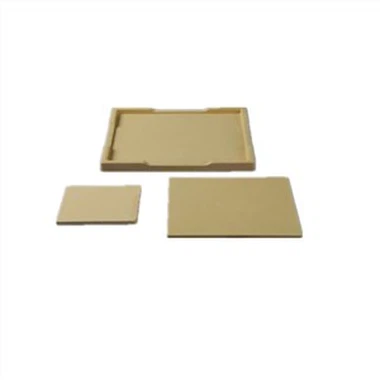
90% Alumina Ceramic Plate Load Bearing Board For Kiln


How do you Protect Your Kiln Shelf?

You should protect your kiln shelfs against running glazes and even sometimes against sticky clays containing much fluxes. Those may not resist in high temperatures and may ruin both your products and your shelf. You must have an insulating layer on the kiln plates to separate your ceramics to the shelf. The kiln wash plays the role here as a separator.

First of all, in case of new glazes, clays, or kiln regimes that you would like to use, you should make a test in a controlled conditions before real production. You can make test tiles and place them on an unglazed biscuit plate that you are sure to resist high temperatures, or you can use old kiln shelf pieces underneath your test tiles. This way, risks that may cause product, shelf, energy, and labor costs will be minimized.

As a result of these tests, you can work more safely with your clay and glaze combinations. However, you should still protect your shelf against unexpected situations. Your carefully prepared products positioned very close to heating elements, too thick glaze applications or uneven heat distribution in your kiln may cause runnings unexpectedly. In such a case, if your kiln shelf is not covered with a protective layer, both your product and your kiln shelf may be damaged. This will both throw you back in your production timing and cause a high expense if your shelf is not possible to be repaired.


How to Minimize The Kiln Shelf Damage And Prolong The Lifespan Of Your Kiln Furniture?


Proper Kiln Loading: Ensure that you load your kiln correctly to avoid placing excessive weight or uneven pressure on the shelf. Distribute the weight evenly across the shelf and avoid overloading. Leave enough space between objects to allow for proper airflow and prevent pieces from touching each other.


Use Kiln Wash or Shelf Paper: Apply kiln wash or use shelf paper on your kiln shelf. Kiln wash is a protective coating contains Kaolin and alumina. When mixing the powder with water make sure it is as thick as milk. Applied to the shelf to prevent glaze drips or melted materials from sticking to the surface.


Wax Resist:When glazing the pottery it is important to make sure there is no glaze on the bottom of the pottery. Glaze can be hard to get off the bottom of the pottery and you end up spending a lot of time trying to get it all off, sometimes it can be missed because the dry glaze may match the color of the bisque ware.


Clean the shelf: Regularly clean your kiln shelf to remove any glaze drips, dust, or debris. Use a soft brush or scraper to gently remove any build-up. This will help maintain a smooth surface and prevent potential damage to the shelf.


Avoid Sudden Temperature Changes: Rapid temperature changes can cause thermal shock, leading to cracks or warping of kiln shelf. Follow the recommended firing and cooling schedules provided by the kiln manufacturer. Gradual temperature changes during heating and cooling cycles are essential to minimize stress on the shelf.


Use Kiln Furniture Properly: Ensure that you are using kiln furniture (posts, stilts, and other supports) appropriately and according to the manufacturer's guidelines. Place them strategically to provide proper support and stability for your ceramics.


Selecting the Right Kiln shelf


》Temperature Rating: If firing mid to high temperature (cone 4-10), kiln shelf that are too thin will sag with time so make sure you purchase the right thickness. The shelf thickness options are ½", 5/8", ¾" and 1". The decision need to take into account the firing temperature and kiln shelve length. For example, if your kiln shelf length is 30" and you fire to cone 6, 1" shelf thickness will be a wise choice.
》Kiln shelf Size: If you have a large kiln fired to mid/high temperatures requiring a ¾" or 1" shelf thickness, the shelf will be really heavy and difficult to carry in particular in a top loading kiln. Half shelf might be a good choice for the above reason but will also provide you with the flexibility to more efficiently fill every space in the kiln with your ware. Make sure the kiln shelf dimensions allow about 1" clearance between the shelve and kiln's walls for temperatures even distribution.

》Your kiln atmosphere (reduction or oxidation)
》Frequency of Firing will expedite shelf sagging if too thin or wrong shelf type selected
》Ware weight - heavy ware will expedite kiln shelf sagging if too thin or wrong shelf type selected


Why Does Underglaze Sometimes Stick to the Kiln Shelf?
 

The Underglaze Ingredients
Underglaze is made of colored ceramic stains that have been mixed up with water, clay and a suspending agent like CMC gum. The suspending agent keeps the powdered stain mixed up with the liquid rather than separating completely when the underglaze is left to settle.
However, some underglaze also contains silica which melts when it is fired in a kiln. Silica is one of the glass-forming ingredients in pottery glaze that melts and gives glaze its glassy quality. Silica can be derived from the mineral quartz.


The Brand of Underglaze
Different brands of underglaze have different properties. For example, some underglazes are completely matt, whereas other brands can have a slight satin sheen on them when they are fired.


The Color of the Underglaze
Another factor that can affect if the underglaze will stick to the kiln shelf, is the color of the underglaze. Generally, darker colors are at a higher risk of sticking than lighter colors.


The Firing Temperature
Whether the underglaze will stick to the kiln shelf or not also depends on the temperature that you are firing at. This is because underglaze and glaze ingredients melt at different temperatures.


The Thickness of the Underglaze
Underglaze is applied in layers. You can build up a deeper color if you apply 3 layers to your piece. However, the thicker the application, the greater the chance that the underglaze will stick to your kiln shelf.


Our Factory


The founder,Mr Tang,open the first factory in Zibo and produce graphite molds and synthetic graphite powder. For Mr tang once worked for a state-owned graphite company, he has much experience in graphite application. Gotrays grow quickly in business.


p20240308134151c4ab4.jpg (750×562)
productcate-1-1
productcate-1-1
productcate-1-1


Honor&Qualification


p20240308133701b5238.jpg (750×1061)
p2024030813370472822.jpg (750×1061)
p20240308133708d8fc7.jpg (750×1061)
p202403081337127ecae.jpg (750×1061)


FAQ


Q: What are kiln shelves used for?

A: Batts are used as the basic kiln shelf support element in most kiln and furnace structures, forming a flat, rigid surface which carries the ware during firing, sintering or heat treatment. They are also known as “refractory tiles”, “plates” or “kiln shelves” depending on the industry.

Q: Can kiln shelves get wet?

A: The shelves should be kept dry. As with clay, if they get wet they should be dried out before putting in the kiln, to avoid cracking or explosions; also wet shelves should not be allowed to freeze, as they may be damaged by water expansion.

Q: Can I put a kiln shelf directly on the kiln floor?

A: Some kiln manufacturers recommend placing shelves directly on the floor of the kiln. Most suggest using 1" posts to put the bottom up from the cooler floor. This creates an insulating layer much like a storm door. Air movement in the kiln is clearly a big consideration - one of the most important when loading a kiln.

Q: Does underglaze stick to kiln shelves?

A: They fire to a totally matte finish if a glaze is not applied over it. A single coat of underglaze on the bottom of your work won't stick to the shelf. There are several commercial underglaze series available in a wide variety of colors.

Q: Can you use both sides of a kiln shelf?

A: You can stagger the shelves and tumble stack one side or the other or both, or choose to stack this way only in the top third of the kiln after using posts and shelves for loading pots into the rest of the space below.

Q: Do I need to fire new kiln shelves?

A: Before using a new kiln for glass projects, you will need to pre-fire it. This burns out binders, moisture, and other residue left over from the manufacturing process. New shelves can be slow to take on primer, so we recommend pre-firing them, too.

Q: Can you wash kiln shelves?

A: So it's best to stay on top of cleaning your kiln shelves and to know how to apply kiln wash. As you load any kiln, examine the shelves and furniture carefully. Loose, flaky shelf wash should be scraped off shelves with a sturdy metal scraper or a heavy wire brush.

Q: Will stroke and coat stick to kiln shelves?

A: When using Stroke & Coat at mid-range, apply two coats instead of three for best results. Before firing, use a damp sponge to remove glaze from the foot of the piece. If the glaze is on the bottom of the piece, it will stick to the kiln shelf.

Q: Do self supporting cones stick to kiln shelf?

A: Use kiln wash on the surface where self-supporting witness cones are placed. This is because cones can stick to bare kiln shelves. When you remove the cone, part of the bare shelf may come off with it.

Q: How many posts per kiln shelf?

A: Shelf posts are used to prop up the shelves to varying heights. We recommend that the first shelf layer is propped up using 1” posts to allow heat to travel under that layer. This helps avoid heat being wicked out via conduction due to contact with the floor of the kiln. Each shelf should be supported by 3 posts.

Q: When a glaze runs and pools on the kiln shelf?

A: These glazes may flow so much that they will fuse the piece to the kiln shelf, ruining both the piece and the shelf. If you use a highly running glaze, protect the shelves by placing the ware on a

Q: Will underglaze fuse to kiln shelf?

A: You can either wipe off or apply wax resist on the part that will touch your kiln self. (Don't forget to wipe off any glaze that sticks to the wax resist) That's the great part of underglaze: you can put it on the bottom of your pottery, and it will not stick to your kiln shelf unless the underglaze is too thick.

Q: What do you put on kiln shelves?

A: Kiln wash is a barrier to prevent unexpected glaze runs or drips from ruining your pottery kiln shelves, and your work. You brush it directly onto your shelves; it looks similar to a glaze when being applied.

Q: What do you coat kiln shelves with?

A: Shelf wash (also called batt wash or kiln wash) is a sacrificial coating applied to the top surface of kiln furniture to reduce glaze build-up and minimise sticking problems. New shelves should have a wash coat applied before use – most people also reapply a wash coat at regular intervals to maximise protection.

Q: How do you get your project to not stick to the kiln shelves?

A: Shelf paper is a heat-resistant light weight ceramic-based paper that enables your glass to not stick to your kiln. It acts very much like grease proof paper in baking and will ensure that your completed project is not damaged and can be removed from your kiln with ease.

As one of the leading kiln shelf manufacturers and suppliers in China, we warmly welcome you to wholesale high quality kiln shelf at competitive price from our factory. Contact us for more details.

Fused Alumina Plate, Alumina Ceramic Crucibles, Sic Crucible

Send Inquiry