


How to transport a Sic Crucible?
May 20, 2025
Leave a message
Hey there! I'm a supplier of Sic Crucibles, and today I wanna talk about how to transport these precious items. Sic Crucibles are super important in many industries, like metallurgy and chemical processing. They're tough, can handle high temperatures, and are super useful. But getting them from our place to yours in one piece can be a real challenge.
Understanding the Sic Crucible
First off, let's understand what we're dealing with. Sic Crucibles are made from silicon carbide, which is a super hard and heat - resistant material. They come in different shapes and sizes, depending on what they're gonna be used for. Whether it's melting metals or doing some high - temperature chemical reactions, these crucibles are up for the task.
But because of their nature, they're also a bit fragile. A small crack or chip can render them useless. So, we gotta be extra careful when transporting them.
Pre - Transport Preparation
Before we even think about moving the crucibles, we need to do some prep work.
Inspection
We always start by inspecting each crucible. We check for any signs of damage, like cracks or chips. Even a tiny flaw can grow during transport and cause big problems later. If we find any damaged ones, we set them aside and either fix them or replace them.
Cleaning
Next up is cleaning. We make sure the crucibles are free from any debris, dust, or leftover materials from the manufacturing process. A clean crucible is less likely to have any issues during transport and will be ready to use right away when it reaches you.
Packaging
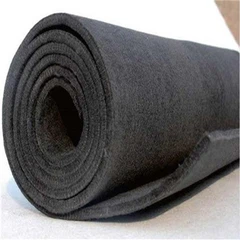
This is where things get really important. We use high - quality packaging materials to protect the crucibles. Foam inserts are great because they can absorb shocks and vibrations. We place each crucible in its own foam mold, which holds it securely in place.
Then, we put the foam - encased crucibles in sturdy cardboard boxes. These boxes are designed to withstand some rough handling. We also add some extra padding, like bubble wrap, around the boxes to give them an extra layer of protection.


Choosing the Right Transport Method
Now, let's talk about how we're gonna move these crucibles. There are a few options, and each has its pros and cons.
Road Transport
Road transport is probably the most common way to move Sic Crucibles. It's relatively flexible, and we can control the route and the handling of the cargo. We use trucks that are equipped with shock - absorbing systems to reduce the impact of bumps on the road.
But there are some downsides. Traffic can be a real pain, and long - distance trips can expose the crucibles to more vibrations and jolts. Also, bad weather conditions like heavy rain or snow can cause problems.
Rail Transport
Rail transport is a good option for long - distance shipping. Trains are generally more stable than trucks, and they can carry a large volume of cargo. The tracks are smooth, which means less vibration for the crucibles.
However, rail transport can be less flexible. We need to have access to a railway station near our factory and near your location. And there might be some delays in loading and unloading the cargo.
Air Transport
Air transport is the fastest way to get the crucibles to you. It's great for urgent orders. The flight is usually smooth, and the handling time is relatively short.
But it's also the most expensive option. And there are some restrictions on the size and weight of the cargo.
Handling During Transport
No matter which transport method we choose, proper handling is crucial.
Loading
When loading the crucibles onto the transport vehicle, we use special equipment like forklifts. The operators are trained to handle the boxes gently to avoid any sudden movements that could damage the crucibles inside.
Securing
Once the boxes are loaded, we make sure they're properly secured. We use straps and ropes to keep the boxes in place and prevent them from shifting during transport. This is especially important for road and rail transport, where there can be a lot of movement.
Monitoring
During the journey, we keep an eye on the cargo. We use tracking devices to know the location of the shipment at all times. And if there are any issues, like a delay or a change in the route, we can inform you right away.
Insurance
It's always a good idea to get insurance for the shipment. Accidents can happen, no matter how careful we are. Insurance gives us and you some peace of mind. If something goes wrong during transport, we can get compensated for the loss.
Other Crucible Options
If Sic Crucibles aren't exactly what you need, we also offer other types of crucibles. Check out our [Corundum Mullite Crucibles]( /kiln - furniture/ceramic - crucible/corundum - mullite - crucibles.html), which are great for high - temperature applications. Our [Metal - Smeltering Corundum Mullite Ceramic Crucible]( /kiln - furniture/ceramic - crucible/factory - custom - corundum - mullite - crucible - for.html) is specifically designed for metal - melting processes. And if you're looking for something different, our [Corundum Crucibles]( /kiln - furniture/ceramic - crucible/corundum - crucibles.html) are also a great choice.
Contact for Purchase
If you're interested in our Sic Crucibles or any of our other products, don't hesitate to reach out. We're always here to answer your questions and help you with your purchase. Whether you need a small quantity for a lab experiment or a large order for an industrial project, we've got you covered.
References
- Ceramic Engineering Handbook. This book provides in - depth knowledge about different types of crucibles and their properties.
- Transport Safety Guidelines for Fragile Goods. These guidelines offer best practices for transporting delicate items like crucibles.
Send Inquiry