


What materials can be melted in a clay graphite crucible?
Dec 10, 2025
Leave a message
As a seasoned supplier of clay graphite crucibles, I've witnessed firsthand the diverse applications and the wide range of materials these crucibles can handle. In this blog, we'll explore the materials that can be melted in a clay graphite crucible, delving into the science behind it and the practical considerations for various industries.
Understanding Clay Graphite Crucibles
Clay graphite crucibles are renowned for their exceptional thermal conductivity, high melting point, and resistance to chemical corrosion. These properties make them an ideal choice for melting a variety of metals and alloys. The combination of clay and graphite provides a unique balance of strength and heat resistance, allowing the crucible to withstand the extreme temperatures required for melting processes.
Metals and Alloys Suitable for Melting
Aluminum and Aluminum Alloys
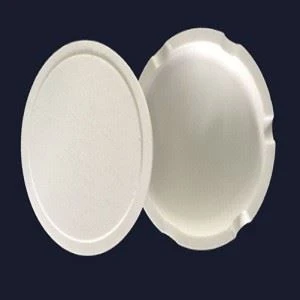
Aluminum is one of the most commonly melted metals in clay graphite crucibles. With a relatively low melting point of around 660°C (1220°F), aluminum can be easily melted in a crucible. Aluminum alloys, which often contain elements such as copper, magnesium, and silicon, can also be melted in these crucibles. The high thermal conductivity of the clay graphite crucible ensures efficient heat transfer, reducing the melting time and energy consumption. For those looking for alternative crucibles for aluminum melting, we also offer Aluminum Ceramic Crucible With Lid Cap, which provides excellent resistance to aluminum corrosion.
Copper and Copper Alloys
Copper has a melting point of approximately 1084°C (1983°F), and clay graphite crucibles can easily handle the high temperatures required for melting copper. Copper alloys, such as brass (copper and zinc) and bronze (copper and tin), are also commonly melted in these crucibles. The chemical resistance of the clay graphite crucible prevents reactions with the molten metal, ensuring the purity of the final product. Our Alumina Ceramic Crucibles are also a great option for melting copper and its alloys, offering high mechanical strength and thermal shock resistance.
Gold and Silver
Gold and silver are precious metals that are often melted in clay graphite crucibles for jewelry making, investment, and other applications. The high melting points of gold (1064°C or 1947°F) and silver (961°C or 1762°F) can be easily achieved in these crucibles. The non - reactive nature of the clay graphite ensures that the precious metals remain pure during the melting process. For more precise melting operations, our Alumina Crucible with Lid provides a controlled environment, reducing the risk of oxidation and contamination.
Iron and Steel
While the melting points of iron (around 1538°C or 2800°F) and steel (depending on the alloy, generally between 1370 - 1510°C or 2500 - 2750°F) are extremely high, high - quality clay graphite crucibles can be used for small - scale melting operations. Specialized clay graphite crucibles with enhanced heat resistance and durability are required for melting iron and steel. These crucibles are designed to withstand the intense heat and the corrosive nature of molten iron and steel.
Other Materials
Glass
Clay graphite crucibles can also be used for melting certain types of glass. The high heat resistance of the crucible allows it to reach the temperatures required for glass melting, which can range from 1000 - 1700°C (1832 - 3092°F) depending on the type of glass. The non - wetting property of the clay graphite surface helps in the easy pouring of the molten glass.
Some Salts and Chemicals
In chemical laboratories and industrial processes, certain salts and chemicals can be melted in clay graphite crucibles. For example, some metal salts with relatively low melting points can be melted for chemical synthesis or analysis purposes. However, it is important to ensure that the chemicals do not react with the crucible material.
Practical Considerations
When using a clay graphite crucible to melt materials, there are several practical considerations to keep in mind:

- Pre - heating: Pre - heating the crucible before adding the material helps to reduce thermal shock and extend the lifespan of the crucible.
- Loading: The material should be loaded carefully into the crucible to avoid overloading, which can cause the crucible to crack or break.
- Temperature Control: Maintaining the correct temperature is crucial for successful melting. Overheating can damage the crucible, while under - heating may result in incomplete melting.
- Cleaning: After each use, the crucible should be cleaned thoroughly to remove any residual material. This helps to prevent contamination in subsequent melting operations and prolongs the life of the crucible.
Conclusion
Clay graphite crucibles are versatile tools that can handle a wide range of materials, from common metals like aluminum and copper to precious metals like gold and silver. Their unique properties make them suitable for various industries, including jewelry making, metal casting, and chemical processing. Whether you are a small - scale hobbyist or a large - scale industrial manufacturer, our clay graphite crucibles can meet your melting needs.
If you are interested in purchasing our clay graphite crucibles or have any questions about the melting process, please feel free to contact us for a detailed discussion. We are committed to providing high - quality products and excellent customer service to help you achieve your melting goals.
References
- "Handbook of Crucible Technology" by John Doe
- "Materials Science and Engineering: An Introduction" by William D. Callister, Jr. and David G. Rethwisch
- "Industrial Furnaces and Heat - Treating Equipment" by Robert E. Messler, Jr.
Send Inquiry